



I still flinch when I replay the novice mistakes I made right after signing up at Quick Casino. The glowing lights and adrenaline-soaked soundtracks had me persuaded every spin was a life-altering event. As a Canadian player, I thought my gut would direct me straight, but I learned fast that enthusiasm without a plan drains a bankroll see more details rapidly than a slushy March day melts a snowbank. What comes next are the raw errors I did, each one a lesson that showed me something I hope I’d known from the start. Think of them as earned lessons every Canuck should learn before they click that deposit button again.
Error #9: Playing Exhausted and Under the Influence
There was a phase during a unusually brutal Canadian winter when I utilized Quick Casino as a late-night calming agent after two glasses of whiskey. My reasoning quality declined so dramatically that I didn’t register a max bet button on a slot until my balance collapsed. Tiredness and alcohol merged to generate a mental fog where pursuing became reflexive and where the notion of a stop-loss seemed like a foreign language articulated on another planet.
Quick Casino’s platform operates with lightning speed, and a groggy brain is unable to keep pace with rapid roulette rounds or turbo-charged blackjack. I pressed wrongly, misjudged totals, and pressed the spin button like a zombie. The next morning I would open my transaction history and experience a wave of self-directed anger that was unrelated to luck and everything to do with running heavy machinery while mentally impaired.
The solution was harshly simple: I set a hard cutoff of ten o’clock at night and a zero-tolerance stance for alcohol during sessions. Quick Casino is accessible twenty-four hours, but my sharpest play lives in the window when I am well rested and sober. Protecting that window converted my experience from a succession of regretful mornings into a steady source of strategic entertainment that left my bankroll and my dignity intact.
Blunder #8: Allowing VIP Perks Dictate My Pace
When Quick Casino awarded me a loyalty tier upgrade and a personal account manager, my ego ballooned like a helium balloon at a Calgary Stampede. I began depositing more often to seek the next tier, computing what I needed to wager to achieve platinum status rather than what I could manage to lose. The complimentary concert tickets and faster withdrawals made me feel like a high roller, but the spreadsheet told a darker story of negative net value.
The rewards program is cleverly designed to incentivize volume, and I was a textbook case of someone who relinquished unit discipline to qualify for a weekly cashback percentage. I was effectively spending a hundred dollars to earn twenty dollars in loyalty credits while portraying the transaction as a victory for my player status. Quick Casino’s VIP team was pleasant, but my misreading of their purpose converted a fun perk ladder into an expensive ladder I ascended with reckless speed.
Today I allow the VIP perks show up organically or not at all. I still savor the occasional cashback surprise, but I never tweak my session limits to hit a comp target. Quick Casino’s loyalty program compensates genuine play, and when I stopped forcing the math, the perks seemed like unexpected gifts rather than hard-earned wages that I had severely overpaid to collect.
Blunder #11: Underestimating the Impact of Scheduled Pauses
I once was seated at a virtual blackjack table inside Quick Casino for more than four hours without rising, sure that my concentration was steadfast. That marathon session finished not with a dramatic collapse but with a steady leak of chips caused by mental fatigue so subtle I was unaware of my misplays stacking up. I kept a soft eighteen against a dealer ten on two occasions because my autopilot had taken over from active brain function.
The human attention span deteriorates long before we sense tired, and Quick Casino’s immersive design can hide that decline completely. I would lose the ability to reassess table conditions because I had become part of the furniture, responding rather than reasoning. The casino wasn’t required to beat me; it merely needed me to remain long enough for my edge, a razor-thin edge from the start, to evaporate completely into the ether.
Now I enforce a mandatory five-minute walk every forty-five minutes, accompanied by a glass of water and a gaze at something that doesn’t involve a screen. Quick Casino’s responsible gaming timer alerts me if I overlook it, and I view that reminder like a valued coach rather than an annoyance. These short resets brought my decision quality back to morning sharpness and kept my bankroll from dying the death of a thousand lazy cuts.
Mistake #13: Přeskakování reality checku přehledů sezení
For an embarrassingly long period, I jsem se nikdy nepodíval na historii transakcí Quick Casino kromě kontroly mého aktuálního zůstatku. I jsem se řídil mlhavým pocitem of zda vyhrávám nebo prohrávám, and ten pocit mě často klamal. My memory amplified the jackpot moments and conveniently erased the hundred small top-ups that quietly drained my monthly entertainment budget far beyond what I would have ever consciously approved.
Vyhýbání se účetní knize nebyla nedbalost; it was a subconscious defence mechanism against confronting the true cost of my hobby. Quick Casino provides an impeccably detailed statement that ukazuje každou sázku, každý výběr a každý bonusový obrat, but I treated it like a dentist appointment I would reschedule forever. The moment I finally opened that record, I zažil šok z prozření that změnil celou mou filozofii hraní in a single afternoon.
Now Sunday evenings are reserved for a desetiminutovou revizi zisků a ztrát that I beru stejně vážně jako podání daní. I kategorizuji sezení podle typu hry, všímám si, kde jsem polevil v disciplíně, and oslavuji sezení, kde jsem odešel v předem plánovaném čase. Quick Casino’s transparentnost se stala základem mého zlepšení, přeměnila černou skříňku emocí na osvětlený dashboard that I can steer with actual precision.
Blunder #12: Overvaluing Near Misses as Betting Signals
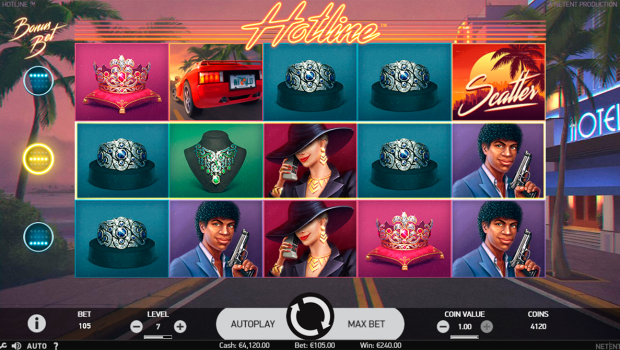
On a cherry-themed slot at Quick Casino, I landed two scatter symbols on a payline with the third lingering one position off, and my brain screamed that the game was getting hot. I took that near miss as a indication to increase my reddit.com bet for the next fifty spins. In reality, that almost-win was a random arrangement of pixels designed to appear at a mathematically fixed frequency, and it had zero predictive power for the spin that followed.
The human brain is hardwired to recognize patterns, and slot designers comprehend that wiring better than most psychologists. Quick Casino’s titles use animations and sound effects that amplify the emotional influence of a two-out-of-three alignment, tricking me into feeling that a jackpot was certain. I sank money into that illusion until I finally grasped that a near miss is simply a loss clad in a prettier dress, nothing more.
Today I record my near-miss emotional response and treat the data as a warning light. If a near miss sparks an urge to increase my wager, I lower my bet size instead and compel my brain to separate the sensory spectacle from the underlying math. Quick Casino’s games remain entertaining, but I now interpret the cinematic flair as entertainment packaging, not as a coded message from the universe pleading me to go all in.
Mistake #6: Neglecting Deposit and Withdrawal Processes
I used to fund my Quick Casino account with the nearest card, without ever checking whether that same option could handle withdrawals. One Friday evening I scored a lovely three-figure win on a progressive drop, only to realize my preferred Interac route had a 72-hour pending period and a verification document request I was unprepared for. The frustration of seeing confirmed money sit locked behind a processing wall spoiled the entire victory.
Worse, I didn’t verify my identity before playing, which delayed the first cashout by nearly a week. Quick Casino’s security protocols are there to protect Canadian players, but my laziness converted a smooth procedure into a bureaucratic crawl. I spent more time chasing support tickets than enjoying my win, and that dissonance forced me to reconsider whether the thrill was worth the administrative headache I had self-inflicted.
Now my first move after registration is regularly uploading documents and setting up a consistent e-wallet or Interac pathway that handles both deposits and withdrawals in under twenty-four hours. Quick Casino supports a clean array of Canadian-friendly options, and I consider that infrastructure as part of my strategy. A victory only seems real when the cash lands in my bank account without a multi-day hostage situation.
Blunder #3: Playing Without a Bankroll Strategy
My first sessions at Quick Casino were like a chaotic spending spree with a credit card that had no limit. I’d put in whatever felt right in the moment, then raise the stake when adrenaline peaked and shrink it when fear crept in. That emotional rollercoaster guaranteed I had no idea what a single spin actually cost in relation to my total session budget, which is essentially handing the casino a blueprint to drain my funds by dinner.
I was handling my bankroll like flexible plastic instead of the fuel gauge of a cross-country road trip through the Canadian Rockies. Quick Casino provides deposit limits and reality checks, but I arrogantly ignored those tools as features for undisciplined players. The truth was I needed them most. Without a fixed session percentage, a three-digit balance could vanish in ten minutes of reckless blackjack doubling, leaving me with nothing but regret and an empty coffee cup.
The transformation came when I started splitting my monthly entertainment budget into twenty equal units. Every bet I place now stands for a tiny fraction of that unit, not a random impulse. Quick Casino’s interface transformed into my ally instead of my predator once I mapped my session length against my bankroll. This shift turned gambling back into a marathon of calculated joy rather than a desperate sprint toward insolvency.
Mistake #5: Ignoring Game RTP and Variance Awareness
For my first six months at Quick Casino, I picked games purely by thumbnail aesthetics and jackpot size. I was unaware of what RTP meant, and I certainly never hunted down the theoretical return-to-player statistics buried in the help files. I leaned toward flashy progressive slots that suggested of Lamborghinis while silently eating ninety-six cents of every dollar I wagered over the long run.
That ignorance cost me thousands of spins of potential value. Quick Casino hosts titles with RTP rates ranging from a stingy 92% to a merciful 98%, and I was blindly testing the worst of the lot. Canadian players who skip this homework are effectively opting for a higher tax on their entertainment, and I was the poster child for that voluntary overpayment. I once played an entire weekend on a tropical-themed slot that gave less than my local lottery scratch ticket.
The turning point arrived when I started setting aside ten minutes before every session to research. I now sort Quick Casino’s library by volatility and theoretical payout, aligning my mood to the math. A relaxing evening demands a 97% RTP low-variance fruit machine, while a thrill-seeking hour earns a high-volatility title with a stop-loss leash. That tiny ritual converted my long-term results from a predictable bleed into a sustainable hobby.
Error #4: Using Live Dealer Tables Like a Social Lounge
I love the engaging hosts at Quick Casino’s live dealer section, and that affection became costly. I arrived for the chatter and the HD video quality, persuading myself I was paying for an encounter rather than gambling real money. The problem was that my attention shifted from planning to narrative, and I commenced placing side bets I barely grasped just to sustain the talk moving with a cordial dealer from Montréal.
That social warmth clouded the analytical part of my brain. I was executing perfect basic strategy plays on blackjack only to ruin myself by inserting ridiculous perfect-pair side wagers with house edges above of five percent. Quick Casino’s platform is designed to absorb you, but immersion without a protective game plan changes entertainment into a tuition payment for teachings nobody wants to learn twice.
Now I treat live tables just like I handle a professional poker table back home in Alberta. I appreciate the nature, but I mentally silence the buzz and cling to a strict bet spread. I allow myself one tiny recreation side bet per shoe as a tip to the event, nothing more. Quick Casino’s live lobby still offers a excitement, but I no longer spend a extra just because someone smiled and addressed me by my username.
Mistake #2: Running After Losses on High Volatility Slots
There was a Thursday evening when I lost three bonus rounds in a row on a high-volatility slot at Quick Casino, and my brain snapped. Rather than stepping back, I raised my wager, convinced the game would correct itself. That wasn’t strategic thinking; it was pure emotional tilt cloaked in the language of probability. I ran after a phantom of a huge payout deep into the early hours, and my bankroll appeared like a forecast from the depths of a frozen lake.
Canadian players recognize the mental game of a losing streak, but I overlooked the odds entirely. High volatility games at Quick Casino can run many spins without lighting up, and I’d placed myself as the gambler who would persistently feed the casino until the RNG deigned to smile. Each losing spin felt like a personal insult, and I reacted by tossing more money onto a blaze that wasn’t going to pay off anytime soon.
Now I handle those volatile games with a strict loss ceiling. I establish a cap of twenty consecutive losing spins before I pivot to a low-variance table game option or simply log out. Quick Casino’s website has plenty of action, so there is no reason to let a one slot dictate my emotions or my financial well-being. That move saved me from the mental hangover that a blind chase always provides.
Blunder #7: Succumbing to the Gambler’s Fallacy Repeatedly
Even with a science background, I allowed the “red is due” monster to creep into my brain during countless roulette sessions at Quick Casino. I would see the wheel land on black eight times and convince myself that the ninth spin had a cosmic responsibility to flip red. That misconception convinced me to boost my wager size on a fixed-odds independent event, as if the little white ball had a memory of past outcomes held in its resin core.
Quick Casino’s RNG-powered tables and live wheels do not shift based on historical streaks, but my human wiring refused to accept that truth in real time. I pursued patterns that didn’t exist and made bet sequences that looked sophisticated on paper but crumbled under basic probability scrutiny. The house edge stayed perfectly constant while my certainty that I could outsmart pure randomness sent my bankroll tumbling like a ski jumper without skis.
I broke the spell by tracking my sessions and confronting the data face-to-face. After fifty documented roulette sessions, the red-to-black ratio landed almost exactly at expectation, but my losses clustered around the moments I gambled heavily on supposed corrections. Quick Casino’s history logs provided an undeniable mirror. Now I view every spin or hand as a disconnected island, and my balance sheet finally mirrors that island-mindset discipline.
Error #1: Ignoring the Small Print on Quick Casino’s Offers
The first time I saw a 100% match bonus at Quick Casino, I felt I’d decoded a secret code. I funded instantly, already picturing stacks of free cash rolling in. Nobody stopped me when I skipped the terms pop-up because I was too eager for the extra credits. That carelessness transformed a dream into a nightmare the moment I attempted to cash out what I assumed were my winnings, only to be blocked by wagering rules I’d never bothered to read.
Quick Casino presents every requirement with Canadian clarity, but I glanced over it like a junk mail flyer. The 35x playthrough amount wasn’t a suggestion; it was a steel gate. I had activated the bonus on slots without realizing that not all games count the same toward clearing the rollover. Table game contributions were cut to a fraction, so I wound up spinning for days just to unlock a withdrawal I had already counted as mine.
The insight struck me like a hockey check. Now I treat the bonus policy page like a legally binding contract. I review maximum bet limits, excluded payment methods, and exactly how many days I have to wager before the offer evaporates. Quick Casino’s promotions are generous when you respect them, but ignore the fine print and you are basically gifting your deposit back to the house. My bankroll never experienced that particular sting again.
Mistake #10: Comparing My Chapter One to Someone’s Highlight Reel
I fell into the trap of watching Canadian streamers display massive Quick Casino wins and concluded that their reality should immediately become my own. I would get frustrated after a dozen dead spins because some influencer had landed a bonus buy worth five grand earlier that week. That comparison sickness drove me toward higher stakes than my bankroll could sustain, and it robbed every small win of its deserved joy because I judged it against a curated social media fantasy.
The streamers I watched often competed with sponsored balances or had bankrolls accumulated over a decade. I was attempting to copy a highlight reel using my biweekly grocery budget, which is a formula for financial heartbreak served on a silver platter. Quick Casino’s game library is identical for everyone, but the context of each player’s resources and risk tolerance varies wildly, and I entirely ignored that essential truth for months.
Now I watch streams strictly for entertainment, with the idea of “sample size” resonating in my head. Quick Casino delivers a personalized journey, and I concentrate on beating my own previous session’s discipline, not someone else’s jackpot screenshot. That shift unlocked a feeling of contentment where tiny wins really mattered, and the constant itch to go big or go home eventually disappeared.
