


The Nature of Luck in Gambling
Luck plays a pivotal role in gambling, acting as a volatile element that can drastically alter outcomes in a split second. At its core, luck can be defined as chance or fortune that seems to favor some players over others. Unlike skill-based games where players can influence the outcome through strategy, games of chance rely heavily on random number generators and other mechanisms. This randomness is what cultivates the enduring appeal of casinos, including sites like https://mazbahhobart.com/ , offering the thrill of possibility with every spin of the wheel or flip of a card.
Moreover, the unpredictable nature of luck often leads to what players might refer to as “hot” or “cold” streaks. A player might experience a series of wins, leading them to feel an aura of luck envelops them, while another might find themselves on a continuous losing streak. These perceptions can heavily influence a player’s mindset, potentially affecting their betting strategies and decision-making at the tables. It is this emotional aspect tied to luck that enhances the overall gambling experience, creating a unique blend of thrill and uncertainty.
The psychological effects of luck are profound, as they can dictate a player’s behavior at the casino. A fortunate win may encourage players to take greater risks, fueled by the belief that luck is on their side. Conversely, consistent losses can lead to frustration or a desire to chase losses, which may further skew a player’s approach. Understanding that luck, while significant, is not a guarantee of success is crucial in maintaining a healthy perspective on gambling. Players should balance their expectations with the reality of chance, ensuring that they don’t place undue weight on luck alone.
The Impact of Randomness on Game Outcomes
Randomness is a fundamental aspect of most casino games, especially slots, roulette, and card games such as blackjack and poker. In a game like roulette, for instance, outcomes are entirely dependent on where the ball lands, an event that cannot be influenced by player actions. The random number generators used in electronic games ensure that no two spins or hands are ever the same, which means that luck is the primary determinant of success or failure in these scenarios. Understanding this randomness helps players appreciate the nature of the games they are engaging in.
This inherent randomness also introduces a layer of unpredictability that keeps players engaged and coming back for more. While some individuals might argue that they can develop strategies or systems to beat the odds, the truth remains that the randomness of each game round is uncontrollable. Even seasoned gamblers can attest that no amount of experience can consistently leverage luck to produce winning outcomes. Therefore, understanding this fundamental element helps in managing expectations and aligning gambling pursuits with entertainment rather than purely profit—something that can be easily overlooked in the thrill of the chase.
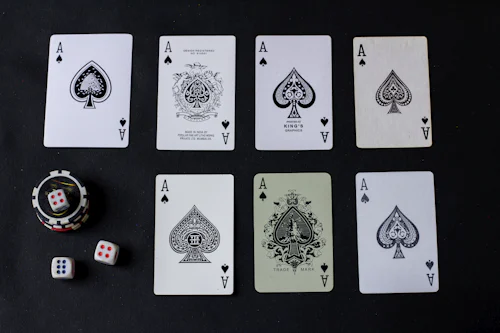
In high-skill games such as poker, luck still plays an undeniable role, especially in the short term. Players may have an excellent understanding of strategy and probability, but the cards dealt are ultimately random. This creates a balance where skill can shine through over time, but individual hands can often be swayed by sheer luck. Players who can navigate this dynamic effectively often find success in the long haul, but short-term luck can swing results dramatically, highlighting the unpredictable nature of gambling. Recognizing when luck is on their side or against them can empower players to make more informed decisions in their gameplay.
The Role of Psychological Factors in Perceiving Luck
Psychological factors profoundly influence how players perceive their luck in a casino environment. A successful win can create a psychological bias, often referred to as the “gambler’s fallacy.” This phenomenon leads players to believe that past outcomes can influence future results, such as thinking that a particular number in roulette is “due” to come up after being absent for several spins. This flawed reasoning can skew judgment, leading to increased bets in hopes of capturing what they perceive to be a wave of luck. Understanding this fallacy can help players avoid making impulsive decisions that are not rooted in the reality of probability.
Emotions, too, play a crucial role in how players experience luck. The thrill of winning can create euphoric feelings, while losses can bring about anxiety or frustration. This emotional roller coaster can lead to risky behavior in an attempt to regain losses or extend the feeling of euphoria. Some players might start betting more than they can afford, driven by the belief that their luck will turn around. Recognizing these psychological triggers can aid players in maintaining a more balanced approach to gambling, ensuring they engage in responsible gaming practices that prioritize enjoyment over desperation.
Additionally, the environment of the casino itself can amplify feelings of luck. Bright lights, sounds of celebration, and even the presence of other winners can create an atmosphere where luck feels more palpable. Casinos often capitalize on these elements to enhance the overall experience, leading to a sense of community and shared excitement. However, it is vital for players to stay grounded and recognize that luck can be fleeting and unpredictable, even in an electric atmosphere. By being aware of these influences, players can better manage their expectations and approach their gaming experiences with a clearer mindset.
Strategies for Managing Luck in Gambling
While luck is an uncontrollable factor in casino games, players can adopt strategies for managing their approach to gambling. One essential tactic is setting a predetermined budget before entering the casino. By clearly defining how much money one is willing to spend, players can prevent impulsive decisions driven by perceived luck swings. This strategy not only helps mitigate losses but also promotes responsible gambling, ensuring that the experience remains enjoyable. Setting limits can empower players to walk away when necessary, preserving their emotional well-being.
Another effective approach is to focus on games with better odds. Understanding the house edge can help players make more informed choices about where to place their bets. Games like blackjack and video poker offer better odds than games of pure chance like slots. By opting for games where skill can mitigate the effects of luck, players can enhance their chances of walking away winners over time. This strategic focus allows for a more balanced approach, recognizing the role of luck while also leveraging skill wherever possible. It’s about finding the right balance between enjoyment and the potential for success.
Furthermore, implementing a clear exit strategy can be beneficial for managing luck-related outcomes. Players should determine in advance when they will leave, whether it’s after reaching a certain win amount or after a set duration. This self-control can help prevent the tendency to chase losses or overstay in hopes of regaining that elusive lucky streak. By setting these boundaries, players can enjoy their gambling experience while reducing the emotional and financial risks associated with reliance on luck. Ultimately, a thoughtful strategy can lead to a more satisfying gaming experience.
Discovering More About Luck and Casino Success
To delve deeper into the complex interaction between luck and gambling outcomes, exploring various resources available online can provide valuable insights. Many websites offer extensive articles, player experiences, and expert opinions on how luck influences various games. Understanding the nuances can help players make more informed decisions tailored to their gaming style. Engaging with literature about probability, psychology, and game mechanics can enhance a player’s overall understanding of the casino environment.
Additionally, engaging with community forums can foster discussions about luck and strategy, allowing players to share stories and learn from one another. By connecting with fellow gamblers, players can broaden their perspectives on luck and its implications in the casino setting. This exchange of ideas can deepen awareness of both the thrill of winning and the reality of losses, creating a more balanced outlook. Such communal learning can be invaluable in a space where individual experiences can vary dramatically.
Ultimately, recognizing that luck is just one aspect of the gambling experience can enhance enjoyment and foster responsible gaming practices. As players explore more about how luck influences their winnings, they can develop a healthier relationship with casino games, leading to a fun and engaging pastime rather than an overwhelming pursuit of fortune. By doing so, they ensure that the essence of the gaming experience remains centered on enjoyment and thrill rather than solely on financial gain. This mindset can transform the way players approach their time in the casino.
